Post
How Smart Kitchen Appliances Save Time and Money
May
How Smart Kitchen Appliances Save Time and Money
Modern technology has transformed the way people live, work, and manage their homes. One of the biggest areas experiencing innovation is the kitchen. Traditional kitchens once required significant manual effort, long cooking times, and high energy consumption. Today, smart kitchen appliances are changing that reality by introducing automation, energy efficiency, connectivity, and intelligent features that make daily life easier and more affordable.
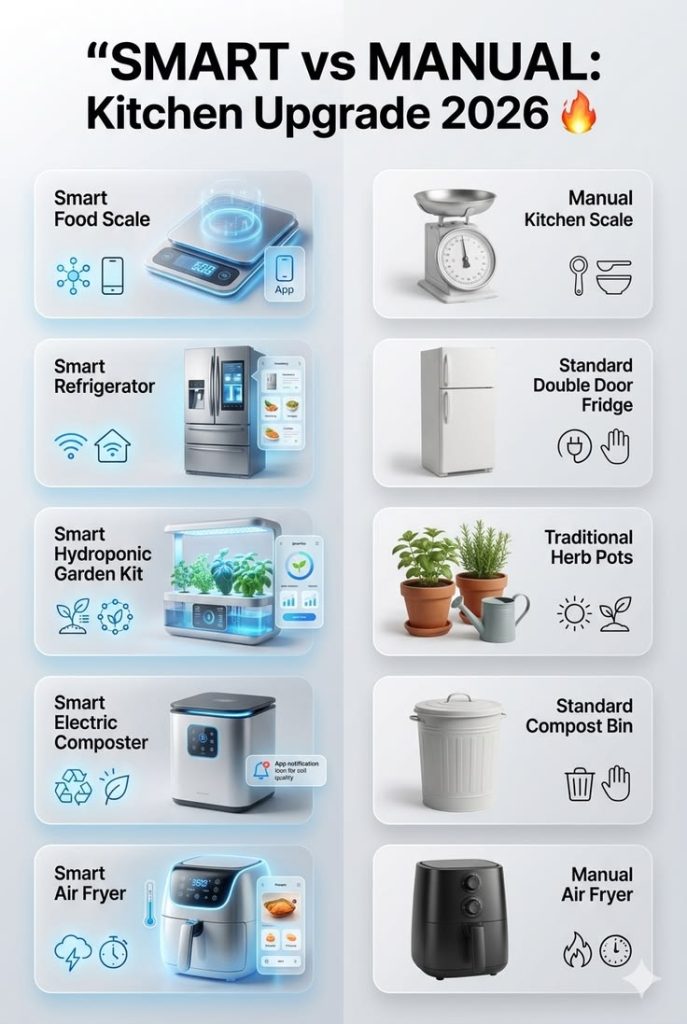
Smart kitchen appliances are designed to simplify meal preparation, improve cooking accuracy, reduce waste, and optimize energy usage. From intelligent refrigerators and smart ovens to connected dishwashers and automated coffee makers, these appliances help homeowners save both time and money while improving overall convenience.
As busy lifestyles continue becoming more common, modern households increasingly rely on technology to improve productivity and efficiency. Smart kitchen appliances have quickly become essential tools for families, professionals, students, and anyone seeking a more organized and cost-effective home.
In this article, we will explore how smart kitchen appliances save time and money, the benefits of connected kitchen technology, and why investing in smart appliances can improve both household efficiency and long-term savings.

What Are Smart Kitchen Appliances?
Smart kitchen appliances are internet-connected devices designed to automate, monitor, and optimize kitchen tasks using advanced technology.
Most smart appliances include features such as:
- Wi-Fi connectivity
- Mobile app control
- Voice assistant integration
- Automation systems
- Energy-saving modes
- Smart sensors
- Remote monitoring
These technologies help users manage kitchen activities more efficiently while reducing unnecessary effort and resource consumption.
Saving Time Through Automation
One of the biggest advantages of smart kitchen appliances is automation.
Automated Cooking Features How Smart Kitchen Appliances Save Time and Money
Modern smart appliances can automate many everyday tasks, including:
- Preheating ovens
- Scheduling coffee brewing
- Adjusting cooking temperatures
- Monitoring food preparation
- Managing cooking timers
Automation reduces the amount of manual work required during meal preparation.
Faster Daily Routines
Smart appliances help users save time by simplifying repetitive kitchen tasks.
For example:
- Smart coffee makers prepare beverages automatically each morning
- Smart dishwashers optimize wash cycles without manual adjustments
- Smart ovens use preset cooking programs for faster meal preparation
This convenience is especially valuable for busy professionals and families.
Remote Control and Mobile Access
Smart kitchen appliances often connect to smartphone apps that allow users to monitor and control devices remotely.
Benefits of Remote Access
Users can:
- Start appliances remotely
- Check cooking progress
- Receive notifications
- Adjust settings from anywhere
- Monitor appliance performance
For example, homeowners can preheat the oven before arriving home from work, saving valuable time during dinner preparation.
Remote connectivity improves flexibility and household efficiency.
Energy Efficiency Reduces Utility Costs
Energy efficiency is one of the most important ways smart kitchen appliances save money.
Smart Energy Management
Modern appliances use intelligent systems to optimize electricity and water usage.
Common energy-saving features include:
- Eco-friendly operating modes
- Automatic shutoff systems
- Smart temperature control
- Load detection technology
- Efficient heating systems
These technologies help reduce monthly utility bills significantly over time.
Smart Refrigerators Reduce Food Waste
Food waste can become expensive for households.
Smart refrigerators help minimize waste by improving food organization and freshness monitoring.
Intelligent Refrigerator Features
Many smart refrigerators include:
- Internal cameras
- Temperature management systems
- Expiration tracking
- Inventory monitoring
- Humidity control
These features help users avoid forgetting food items or allowing groceries to spoil.
Financial Benefits
Reducing food waste helps households:
- Save grocery money
- Avoid unnecessary purchases
- Improve meal planning
- Store food more efficiently
Better food management creates long-term financial savings.
Smart Ovens Improve Cooking Efficiency
Traditional ovens often waste energy and require constant monitoring.
Smart ovens improve cooking precision and reduce wasted time.

Features of Smart Ovens
Advanced ovens may offer:
- Automatic cooking programs
- Remote temperature control
- Smart recipe integration
- Precision heating sensors
- Voice control compatibility
Faster and More Accurate Cooking
Smart ovens help users:
- Avoid overcooking
- Reduce meal preparation stress
- Improve cooking consistency
- Shorten cooking times
Convection technology and precise heat distribution also improve energy efficiency.
Smart Dishwashers Lower Water and Electricity Usage
Dishwashers are another major source of household water and energy consumption.
Modern smart dishwashers optimize cleaning performance while using fewer resources.
Energy-Saving Dishwasher Features
Smart dishwashers often include:
- Eco wash cycles
- Smart load sensing
- Low-water spray systems
- Delayed start scheduling
- Energy monitoring systems
Long-Term Savings
Efficient dishwashers help reduce:
- Water bills
- Electricity costs
- Manual cleaning effort
- Appliance wear
Automated operation also saves time during busy routines.
Smart Coffee Makers Simplify Mornings
Morning routines can be stressful, especially for busy households.
Smart coffee makers automate beverage preparation for greater convenience.
Features That Save Time
Smart coffee systems may include:
- Scheduled brewing
- Remote activation
- Personalized drink settings
- Automatic shutoff
Users can wake up to freshly brewed coffee without manual preparation.
Reduces Energy Waste
Automatic power management helps prevent appliances from remaining on unnecessarily, reducing electricity consumption.
Smart Air Fryers Cook Faster
Air fryers have become extremely popular because they provide faster cooking with lower energy consumption than traditional ovens.
Why Smart Air Fryers Save Money
Air fryers:
- Heat quickly
- Require less electricity
- Reduce cooking times
- Minimize preheating needs
Additional Benefits
Smart air fryers often support:
- Preset cooking programs
- App control
- Temperature automation
- Energy-efficient cooking cycles
These features improve convenience while reducing operational costs.
Smart Microwaves Improve Meal Preparation
Microwaves are already energy-efficient compared to large ovens, but smart models provide additional advantages.
Intelligent Microwave Features
Modern smart microwaves may include:
- Sensor cooking
- Barcode scanning
- Automatic heating adjustments
- App connectivity
These technologies reduce cooking errors and improve meal preparation speed.
Smart Lighting and Ventilation Save Energy
Kitchen lighting and ventilation systems also contribute to household energy usage.
Smart Lighting Systems
LED smart lighting helps reduce electricity consumption through:
- Motion sensors
- Scheduling automation
- Brightness adjustment
- Remote controls
Smart Ventilation Systems
Modern ventilation systems may include:
- Automatic fan speed adjustment
- Air quality monitoring
- Energy-saving operation modes
Efficient airflow management improves comfort while reducing energy waste.
Preventing Costly Appliance Repairs
Smart appliances often include maintenance monitoring features that help identify problems early.
Predictive Maintenance Features
Some appliances can:
- Detect unusual performance
- Send maintenance alerts
- Monitor filter conditions
- Identify energy inefficiencies
Early problem detection helps homeowners avoid expensive repairs and appliance replacement costs.
Voice Assistant Integration Improves Convenience
Many smart appliances support voice assistant compatibility.
Hands-Free Kitchen Control
Voice commands allow users to:
- Set cooking timers
- Start appliances
- Adjust temperatures
- Check cooking status
Hands-free operation improves multitasking and saves time during meal preparation.
Better Meal Planning and Grocery Management
Smart kitchen ecosystems help households stay organized.
Smart Planning Features
Connected systems may assist with:
- Grocery inventory tracking
- Recipe recommendations
- Expiration reminders
- Meal preparation scheduling
Improved planning reduces food waste and unnecessary spending.
Eco-Friendly Financial Benefits
Energy-efficient appliances not only reduce utility bills but also support environmental sustainability.
Environmental Advantages
Smart appliances help lower:
- Carbon emissions
- Water waste
- Electricity demand
- Household environmental impact
Eco-friendly living often aligns with long-term financial savings.
Improved Productivity in Busy Households
Modern families often juggle work, school, exercise, and social responsibilities.
Smart appliances simplify household management by reducing time spent on repetitive kitchen tasks.
More Free Time
Automation helps users spend less time:
- Cooking manually
- Cleaning dishes
- Monitoring appliances
- Managing food storage
This allows households to focus more on family, relaxation, and productivity.
Long-Term Value of Smart Appliances
Although smart appliances may have higher upfront costs, they often provide strong long-term value.
Financial Advantages Over Time
Smart appliances help reduce:
- Utility bills
- Food waste
- Maintenance costs
- Time-related stress
Long-lasting efficiency and automation often justify the initial investment.
Best Smart Kitchen Appliances for Saving Time and Money
Some of the most effective smart appliances include:
- Smart refrigerators
- Smart ovens
- Smart dishwashers
- Air fryers
- Smart coffee makers
- Smart microwaves
- Induction cooktops
- Smart lighting systems
Each appliance contributes differently to household efficiency and savings.
The Future of Smart Kitchen Technology
Smart kitchen innovation continues evolving rapidly.
Future advancements may include:
- AI-powered cooking assistants
- Fully automated meal preparation
- Advanced energy optimization
- Predictive grocery management
- Smart nutrition tracking
Connected kitchens are expected to become even more efficient and personalized.
Conclusion
Smart kitchen appliances are transforming modern homes by helping households save time, reduce energy consumption, lower utility costs, and improve daily convenience.
From intelligent refrigerators and smart ovens to automated coffee makers and energy-efficient dishwashers, today’s connected kitchen technology simplifies routines while supporting more sustainable and cost-effective living.
Although smart appliances may require higher initial investment, their long-term benefits—including lower energy bills, reduced food waste, faster meal preparation, and improved productivity—make them valuable additions to modern households.
As technology continues advancing, smart kitchen appliances will play an increasingly important role in creating efficient, connected, and financially sustainable homes.
