Post
The Future of Smart Living Appliances in Modern Homes
May
The Future of Smart Living Appliances in Modern Homes
The concept of a smart home has evolved rapidly over the past decade. What was once considered futuristic technology is now becoming a standard feature in modern households worldwide. Smart living appliances are transforming the way people cook, clean, manage energy, secure their homes, and interact with their living environments. As technology continues to advance, these intelligent devices are expected to become even more sophisticated, interconnected, and essential to everyday life.
The future of smart living appliances lies in automation, artificial intelligence (AI), energy efficiency, predictive maintenance, and seamless integration across entire home ecosystems. Modern homeowners increasingly seek convenience, comfort, sustainability, and personalized experiences, all of which are made possible through smart technology.
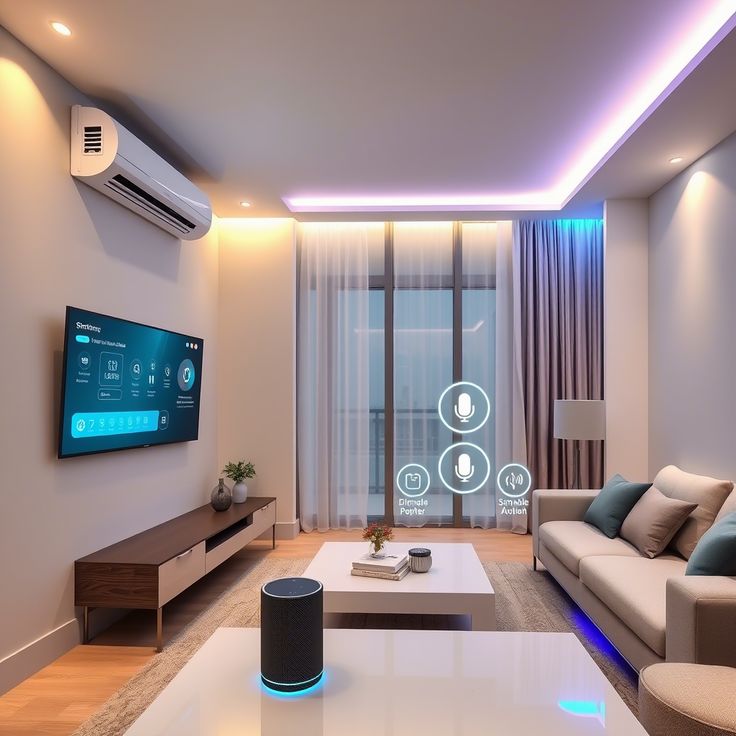
From AI-powered refrigerators and autonomous cleaning robots to intelligent climate control systems and connected home assistants, smart appliances are redefining modern living. In this article, we explore the future of smart living appliances in modern homes, emerging trends, and how these innovations will shape the homes of tomorrow.

What Are Smart Living Appliances?
Smart living appliances are household devices equipped with advanced technologies that allow them to connect, communicate, and automate tasks.
These appliances often feature:
- Internet connectivity
- Artificial intelligence
- Voice control
- Smartphone integration
- Automation systems
- Smart sensors
Unlike traditional appliances, smart devices can learn user preferences, optimize performance, and provide remote access and control.
Why Smart Appliances Are Growing in Popularity
Several factors are driving the rapid adoption of smart home technology.
Consumer Demand for Convenience The Future of Smart Living Appliances
Modern lifestyles are busier than ever.
Homeowners seek appliances that can:
- Save time
- Reduce effort
- Automate repetitive tasks
- Simplify daily routines
Smart technology addresses these needs effectively.
Increasing Energy Costs
Energy-efficient appliances help homeowners:
- Lower utility bills
- Monitor consumption
- Reduce waste
- Improve sustainability
Energy management has become a major focus for smart home innovation.
Advancements in Artificial Intelligence
AI is making appliances smarter by enabling:
- Predictive behavior
- Learning capabilities
- Personalized automation
- Improved decision-making
These technologies create more responsive and intelligent homes.
Artificial Intelligence Will Power Future Homes
Artificial intelligence is expected to become the foundation of next-generation smart appliances.
How AI Enhances Smart Living
AI systems can:
- Learn household routines
- Predict user needs
- Optimize appliance performance
- Automate daily tasks
For example, future appliances may automatically adjust settings based on weather conditions, family schedules, and individual preferences.
Personalized Experiences
AI-powered appliances will create highly personalized environments by learning:
- Preferred room temperatures
- Lighting preferences
- Cooking habits
- Entertainment choices
Homes will adapt automatically to residents’ lifestyles.
Fully Connected Smart Home Ecosystems
The future of smart living involves complete integration among devices.

Seamless Communication
Future appliances will communicate with one another to coordinate activities.
Examples include:
- Refrigerators communicating with ovens
- Thermostats adjusting based on occupancy data
- Security systems interacting with lighting controls
This interconnected ecosystem will improve efficiency and convenience.
Centralized Home Management
Homeowners will manage multiple appliances through a single platform or voice assistant.
Benefits include:
- Simplified control
- Better automation
- Improved monitoring
- Enhanced user experience
Integrated ecosystems will become the standard for modern homes.
Smart Kitchens of the Future
The kitchen is expected to become one of the most technologically advanced areas of the home.
AI-Powered Refrigerators
Future refrigerators may:
- Track food inventory automatically
- Suggest recipes
- Monitor expiration dates
- Create shopping lists
- Place grocery orders automatically
Intelligent Cooking Appliances
Future smart ovens and cookers may:
- Identify ingredients automatically
- Recommend cooking methods
- Adjust cooking temperatures in real time
- Prevent overcooking
These innovations will make meal preparation easier and more efficient.
Autonomous Cleaning Appliances
Cleaning technology continues to evolve rapidly.
Advanced Robotic Vacuum Cleaners
Future cleaning robots may feature:
- Improved navigation systems
- AI-powered room recognition
- Self-maintenance capabilities
- Multi-surface cleaning
Fully Automated Home Cleaning
Emerging technologies may include:
- Robotic mops
- Window-cleaning robots
- Autonomous lawn care systems
These appliances will reduce household chores significantly.
Smarter Climate Control Systems
Climate management will become increasingly intelligent.
AI-Based Temperature Optimization
Future climate systems may:
- Predict weather changes
- Learn occupancy patterns
- Adjust temperatures automatically
Enhanced Energy Efficiency
Smart climate appliances will optimize:
- Heating
- Cooling
- Humidity control
- Ventilation
These improvements will provide greater comfort while reducing energy consumption.
Advanced Air Quality Management
Indoor air quality is becoming a growing concern for homeowners.
Future Air Purification Systems
Advanced systems may include:
- Real-time pollutant detection
- AI-powered filtration management
- Automated air quality optimization
Health-Focused Features
Future devices may monitor:
- Allergens
- Carbon dioxide levels
- Humidity
- Airborne particles
Cleaner indoor environments will contribute to healthier lifestyles.
Predictive Maintenance Technology
One of the most promising developments in smart appliances is predictive maintenance.
How Predictive Maintenance Works
Smart appliances will monitor their own performance and identify issues before failures occur.
They may:
- Detect wear and tear
- Schedule maintenance automatically
- Alert users about potential problems
Benefits for Homeowners
Predictive maintenance helps:
- Prevent costly repairs
- Extend appliance lifespan
- Improve reliability
- Reduce downtime
This technology will make home management easier and more efficient.
Voice-Controlled Homes
Voice assistants are already popular, but future systems will become significantly more advanced.
Future Voice Assistant Capabilities
Voice systems may:
- Understand natural conversations
- Anticipate user requests
- Coordinate multiple appliances simultaneously
Hands-Free Living
Homeowners will control:
- Lighting
- Climate systems
- Security devices
- Entertainment systems
- Kitchen appliances
Voice-driven automation will become even more seamless.
Energy-Efficient Smart Appliances
Sustainability is a major focus of future home technology.
Energy Optimization Features
Future appliances may include:
- Real-time energy monitoring
- Automated efficiency adjustments
- Renewable energy integration
Lower Environmental Impact
Energy-efficient appliances help:
- Reduce electricity consumption
- Lower carbon emissions
- Support sustainable living
Environmental responsibility will continue driving innovation.
Smart Water Management Systems
Water conservation is becoming increasingly important.
Future Smart Water Technologies
Advanced systems may:
- Monitor water usage
- Detect leaks instantly
- Optimize irrigation systems
- Reduce waste automatically
Benefits for Homeowners
Smart water systems help:
- Lower utility bills
- Prevent water damage
- Improve resource efficiency
Water management technology will become a key part of smart homes.
Enhanced Home Security Systems
Security technology is evolving beyond traditional surveillance.
Future Smart Security Features
Next-generation systems may include:
- AI-powered facial recognition
- Behavioral analysis
- Advanced threat detection
- Predictive security alerts
Greater Peace of Mind
Future security solutions will provide:
- Faster response times
- Improved monitoring accuracy
- Better property protection
Security systems will become more proactive and intelligent.
Smart Health and Wellness Appliances
Health-focused technology is expected to become a major trend.
Future Wellness Devices
Emerging appliances may:
- Monitor sleep quality
- Track indoor health conditions
- Analyze environmental factors
- Provide wellness recommendations
Personalized Home Environments
Homes may automatically adjust:
- Temperature
- Lighting
- Humidity
- Air quality
Based on occupants’ health needs and preferences.
The Role of Renewable Energy
Renewable energy integration will become increasingly common.
Smart Solar Integration
Future homes may connect appliances directly with:
- Solar panels
- Home battery systems
- Smart energy grids
Benefits of Renewable Energy
These systems help:
- Lower energy costs
- Increase energy independence
- Reduce environmental impact
Renewable energy will play a central role in future smart homes.
Challenges Facing Smart Home Adoption
Despite rapid growth, some challenges remain.
Privacy and Security Concerns
Connected devices must protect:
- Personal data
- Usage information
- Household activity records
Manufacturers continue improving cybersecurity measures.
Cost Considerations
Advanced smart appliances often require higher initial investments.
However, long-term savings from:
- Reduced energy use
- Improved efficiency
- Lower maintenance costs
Can offset upfront expenses.
Best Smart Appliances to Invest in Today
Homeowners looking to prepare for the future should consider:
Smart Thermostats
Benefits include:
- Energy savings
- Automated climate control
- Improved comfort
Robot Vacuums
Advantages include:
- Automated cleaning
- Time savings
- Improved household maintenance
Smart Refrigerators
Useful for:
- Food management
- Grocery planning
- Kitchen organization
Smart Security Systems
Ideal for:
- Remote monitoring
- Enhanced safety
- Peace of mind
These devices provide immediate benefits while supporting future smart home expansion.
How Smart Homes Will Change Daily Life
The homes of the future will be:
- More efficient
- More sustainable
- More personalized
- More automated
- More connected
Residents will spend less time managing household tasks and more time enjoying their homes.
Smart living technology will transform houses into intelligent environments capable of adapting to the needs of their occupants automatically.
Conclusion
The future of smart living appliances in modern homes is incredibly promising. Advances in artificial intelligence, automation, connectivity, and sustainability are creating homes that are more comfortable, efficient, and responsive than ever before.
From intelligent kitchens and autonomous cleaning systems to AI-powered climate control and predictive maintenance technologies, smart appliances are reshaping the way people live. These innovations not only improve convenience and comfort but also promote energy efficiency, environmental responsibility, and healthier lifestyles.
As technology continues to evolve, smart living appliances will become increasingly integrated into everyday life, helping homeowners create intelligent, connected homes that offer greater comfort, convenience, and long-term value. Investing in smart home technology today is not only a step toward modern living but also a preparation for the future of home innovation.
