Post
Top Smart Living Devices for Energy Efficiency
May
Top Smart Living Devices for Energy Efficiency
Energy efficiency has become one of the most important priorities for modern households. Rising electricity costs, environmental concerns, and advancements in smart technology have encouraged homeowners to adopt smarter and more sustainable living solutions. Today’s smart living devices are designed not only to improve convenience and comfort but also to optimize energy usage and reduce unnecessary power consumption.
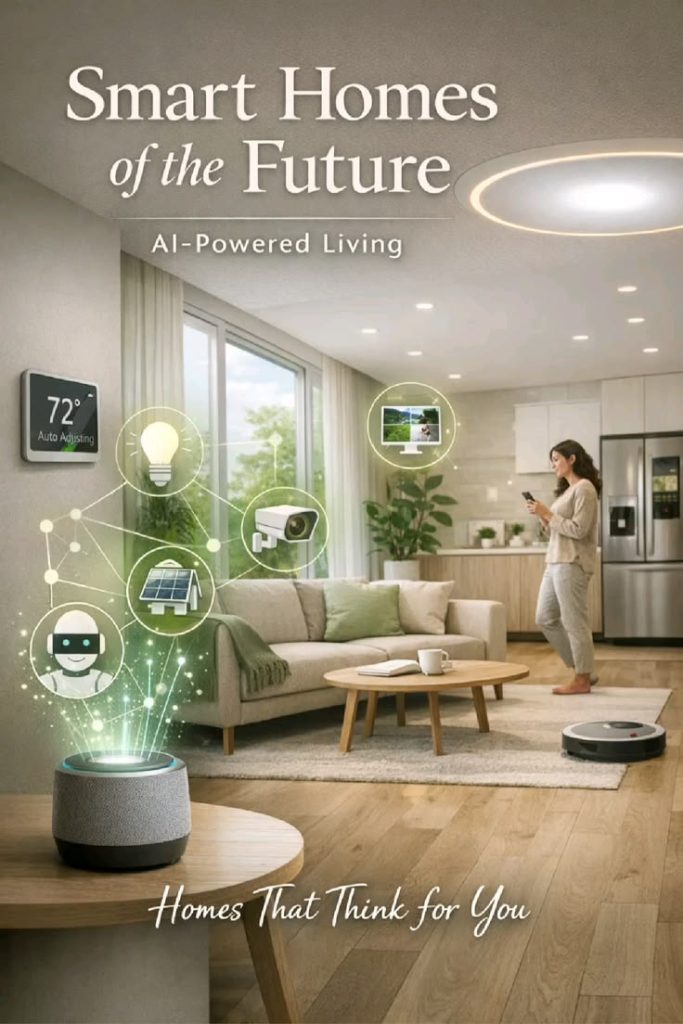
Smart home technology allows users to monitor, automate, and control household appliances more efficiently than ever before. From smart thermostats and intelligent lighting systems to energy-efficient kitchen appliances and automated climate control, modern devices help households lower utility bills while supporting environmentally responsible lifestyles.
As smart homes continue evolving, energy-efficient living devices are becoming essential tools for homeowners seeking greater control over their energy usage. Whether living in a small apartment or a large family home, investing in energy-saving smart devices can significantly improve long-term affordability, sustainability, and household comfort.
In this article, we will explore the top smart living devices for energy efficiency, their benefits, and how intelligent technology is transforming modern homes into smarter and more sustainable living environments.

Why Energy Efficiency Matters in Modern Homes
Modern households consume large amounts of electricity every day through:
- Heating and cooling systems
- Kitchen appliances
- Entertainment devices
- Lighting systems
- Laundry equipment
- Smart electronics
Without efficient management, energy waste can lead to:
- Higher electricity bills
- Increased environmental impact
- Unnecessary appliance strain
Smart energy-efficient devices help homeowners:
- Reduce utility costs
- Optimize energy consumption
- Improve household sustainability
- Extend appliance lifespan
Efficient living technology benefits both homeowners and the environment.
Smart Thermostats
Smart thermostats are among the most effective devices for reducing household energy consumption.
Features of Smart Thermostats Top Smart Living Devices for Energy Efficiency
Modern smart thermostats often include:
- Automated temperature scheduling
- Smartphone app control
- Occupancy detection
- Energy usage tracking
- Voice assistant compatibility
Energy-Saving Benefits
Smart thermostats help homeowners:
- Reduce unnecessary heating and cooling
- Maintain optimal indoor temperatures
- Lower electricity consumption
- Improve HVAC efficiency
Automated climate control can significantly reduce monthly energy costs.
Smart LED Lighting Systems
Lighting consumes a considerable amount of household electricity.
Features of Smart Lighting
Modern smart lighting systems may include:
- Motion sensors
- Automated scheduling
- Adjustable brightness
- Voice control
- Smartphone connectivity
How Smart Lighting Saves Energy
Smart lighting helps reduce waste by:
- Turning off automatically when rooms are empty
- Adjusting brightness based on natural light
- Allowing remote control and scheduling
LED technology itself also consumes far less energy than traditional bulbs.
Smart Power Strips
Many electronics continue consuming power even when not actively in use.
Why Smart Power Strips Matter
Smart power strips help eliminate “phantom energy” usage from:
- TVs
- Gaming systems
- Computers
- Chargers
- Entertainment systems
Energy Efficiency Benefits
Smart power strips can:
- Automatically shut off idle devices
- Schedule power usage
- Monitor electricity consumption
These systems reduce unnecessary standby power usage.
Energy-Efficient Smart Refrigerators
Refrigerators operate continuously, making energy efficiency extremely important.
Features of Smart Refrigerators
Modern smart refrigerators may include:
- Eco cooling modes
- Smart temperature management
- Energy usage monitoring
- Internal organization systems
- Door-open alerts
Benefits for Energy Savings
Efficient refrigerators help:
- Reduce electricity consumption
- Maintain consistent cooling
- Prevent unnecessary energy loss
Smart monitoring improves both convenience and sustainability.
Smart Air Conditioners
Cooling systems are among the largest energy consumers in modern homes.

Features of Smart Air Conditioners
Advanced smart AC systems may offer:
- Remote temperature adjustment
- Occupancy sensors
- Automated scheduling
- Energy optimization modes
- Voice assistant integration
Lower Energy Costs
Smart air conditioners help homeowners:
- Avoid overcooling
- Reduce wasted electricity
- Improve cooling efficiency
- Maintain personalized comfort
Automation supports more efficient climate management.
Smart Washing Machines
Laundry appliances consume significant amounts of water and electricity.
Features of Smart Laundry Systems
Modern smart washing machines may include:
- Load sensing technology
- Water optimization
- Energy-saving wash cycles
- Remote monitoring
- Maintenance alerts
Environmental and Financial Benefits
Efficient washing systems help:
- Reduce water usage
- Lower electricity consumption
- Improve washing performance
- Extend clothing lifespan
Smart scheduling can also reduce peak electricity usage.
Smart Dishwashers
Dishwashers are becoming increasingly energy-efficient through intelligent automation.
Features of Smart Dishwashers
Modern dishwashers often include:
- Eco cleaning cycles
- Smart load detection
- Water-saving systems
- Delayed start scheduling
- Remote operation
How They Improve Efficiency
Smart dishwashers help:
- Reduce water waste
- Optimize cleaning cycles
- Lower electricity usage
Energy-efficient cleaning supports sustainable household living.
Smart Plugs
Smart plugs are simple but highly effective energy-saving devices.
Functions of Smart Plugs
Smart plugs allow users to:
- Schedule appliance usage
- Monitor power consumption
- Control devices remotely
- Automate electronics
Everyday Energy Benefits
Smart plugs help reduce wasted electricity by ensuring devices are only powered when needed.
They are especially useful for:
- Lamps
- Coffee makers
- Fans
- Small appliances
Smart Blinds and Curtains
Window coverings can significantly affect indoor temperature and energy usage.
Features of Smart Window Systems
Modern smart blinds may include:
- Automated opening and closing
- Sunlight detection
- Scheduling systems
- Voice assistant compatibility
Energy Efficiency Benefits
Smart blinds help:
- Reduce heat gain during summer
- Improve insulation during winter
- Lower HVAC energy usage
Natural light optimization also reduces lighting costs.
Smart Water Heaters
Water heating is another major source of household energy consumption.
Features of Smart Water Heaters
Modern systems may include:
- Temperature scheduling
- Remote control
- Usage monitoring
- Energy-saving modes
Better Energy Management
Smart water heaters help homeowners:
- Reduce unnecessary heating
- Lower utility bills
- Improve hot water efficiency
Automated scheduling ensures energy is used only when needed.
Smart Ceiling Fans
Ceiling fans can support efficient temperature management.
Features of Smart Fans
Modern smart fans may include:
- Automated speed adjustment
- Temperature sensors
- Voice control
- Scheduling systems
Cooling Efficiency Benefits
Smart fans help:
- Reduce air conditioning usage
- Improve airflow
- Lower electricity costs
Fans consume significantly less energy than full cooling systems.
Smart Home Energy Monitors
Energy monitoring systems help homeowners understand electricity usage patterns.
Features of Energy Monitors
Smart monitoring systems provide:
- Real-time electricity tracking
- Appliance-level usage data
- Energy reports
- Cost analysis
Better Household Awareness
Energy monitoring helps users:
- Identify inefficient devices
- Reduce unnecessary consumption
- Improve energy habits
Awareness often leads to significant long-term savings.
Smart Air Purifiers
Air purifiers can also contribute to efficient living when properly optimized.
Features of Smart Air Purifiers
Modern systems may include:
- Air quality sensors
- Automatic fan adjustment
- Eco operating modes
- Smartphone monitoring
Efficient Air Quality Management
Smart purifiers optimize power usage by adjusting performance based on actual air quality conditions.
Smart Kitchen Appliances
Modern kitchen appliances increasingly focus on efficiency and automation.
Energy-Efficient Smart Kitchen Devices
Popular options include:
- Smart ovens
- Air fryers
- Induction cooktops
- Multi-cookers
Benefits for Energy Savings
Efficient cooking appliances help:
- Reduce cooking time
- Lower electricity usage
- Minimize heat loss
Induction cooking is especially energy efficient compared to traditional stovetops.
Voice Assistants and Home Automation Hubs
Smart home ecosystems improve overall energy coordination.
Features of Smart Home Hubs
Voice assistants can:
- Control lighting
- Manage appliances
- Adjust climate systems
- Schedule device usage
Better Automation
Centralized automation improves energy management by coordinating multiple devices efficiently.
Solar-Powered Smart Devices
Renewable energy integration is becoming increasingly popular.
Examples of Solar Smart Devices
Popular options include:
- Solar outdoor lighting
- Solar security cameras
- Solar-powered chargers
Sustainability Benefits
Solar-powered devices help reduce reliance on traditional electricity sources.
Renewable energy technology supports environmentally friendly living.
Benefits of Smart Energy-Efficient Living
Energy-efficient smart devices provide multiple long-term advantages.
Financial Benefits
Homeowners can reduce:
- Monthly electricity bills
- Water usage costs
- Appliance maintenance expenses
Environmental Benefits
Efficient technology helps:
- Lower carbon emissions
- Reduce energy waste
- Support sustainable lifestyles
Lifestyle Benefits
Smart automation improves:
- Convenience
- Comfort
- Home organization
- Household efficiency
Connected technology simplifies daily living significantly.
Best Smart Energy Devices for Different Households
Different homes may prioritize different solutions.
For Families
Recommended devices include:
- Smart thermostats
- Smart refrigerators
- Smart washing machines
- Smart lighting systems
For Apartment Residents
Compact energy-saving devices include:
- Smart plugs
- Smart LED lighting
- Portable smart fans
- Compact air purifiers
For Eco-Conscious Homeowners
Environmentally focused households may prefer:
- Solar-powered devices
- Energy monitors
- Smart water heaters
- Induction cooktops
The Future of Smart Energy Technology
Energy-efficient living technology continues advancing rapidly.
Future innovations may include:
- AI-powered energy management
- Predictive appliance optimization
- Fully automated smart homes
- Advanced renewable energy integration
- Personalized energy-saving systems
Homes are becoming increasingly intelligent and sustainable.
Conclusion
Smart living devices are transforming modern homes by improving energy efficiency, reducing utility costs, and supporting more sustainable lifestyles. Through automation, intelligent monitoring, and connected technology, today’s smart appliances help homeowners optimize energy usage while maintaining comfort and convenience.
From smart thermostats and LED lighting systems to energy-efficient kitchen appliances and automated climate control, modern devices provide practical solutions for reducing waste and improving household efficiency.
As smart home technology continues evolving, energy-efficient living devices will play an even greater role in helping households create smarter, greener, and more affordable homes for the future.
